
Prevent Repeat Boiler Repairs: Top Maintenance Tips
By Robert Wilson
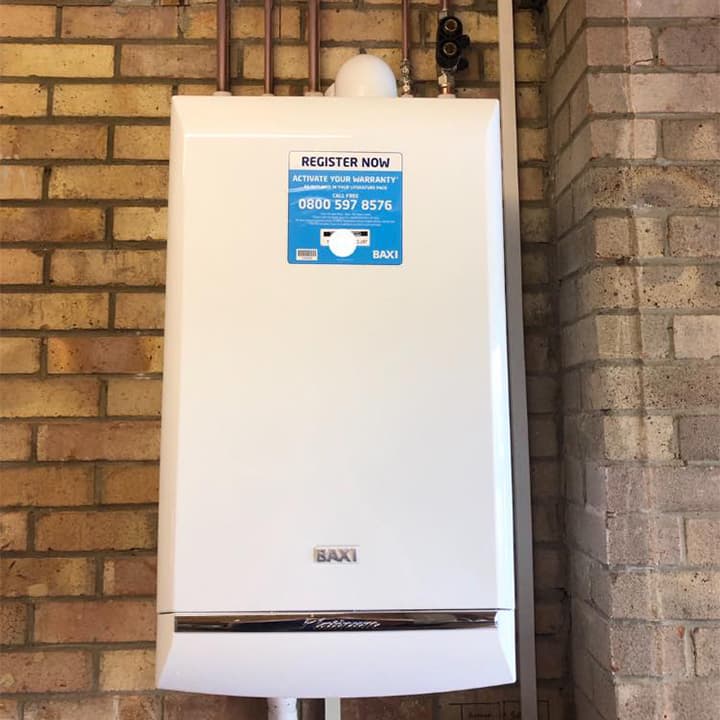
How to prevent repeat boiler repairs and keep your heating reliable
If you want to prevent repeat boiler repairs in the same year, a mix of professional maintenance and simple homeowner checks will make the biggest difference. Repeat call-outs usually mean an underlying issue hasn’t been properly addressed or that routine care has been neglected. Use these practical steps to reduce breakdowns, extend the life of your boiler and keep heating performance consistent.
1. Book an annual service with a Gas Safe registered engineer
An annual service is the single most effective way to prevent recurring faults. A Gas Safe registered engineer will inspect, clean and test critical components, identify worn parts, and confirm the system is operating safely. Regular servicing catches small issues before they become repeated breakdowns and helps maintain efficiency and manufacturer warranty conditions.
For ongoing protection, consider a planned maintenance package — these often combine an annual service with priority response and discounts on repairs. See our service plans for details and options.
2. Run your boiler periodically, even in summer
Switching a boiler off for long periods can cause valves to stick and pumps to seize. Running the boiler for a short period each week keeps water circulating, helps prevent mechanical parts from stiffening, and ensures the system is ready when colder weather arrives. This simple habit reduces the chance of breakdowns after long idle spells.
3. Monitor pressure and radiator performance
Boiler pressure and radiator behaviour are early indicators of system health. Regular checks allow you to intervene before faults escalate.
- Check the pressure gauge: Most domestic boilers sit around 1–1.5 bar when cold. Low pressure can cause the boiler to shut down or work inefficiently; too high a pressure can stress components.
- Watch for cold spots: Radiators with cold tops or uneven heating often contain trapped air or sludge. Bleeding radiators once or twice a year restores heat distribution and reduces strain on the boiler.
- Note unusual noises: Banging or gurgling can signal trapped air, limescale or failing components — address these early to avoid repeat call-outs.
4. Protect the system from sludge, corrosion and limescale
Sludge (rust and debris) and limescale reduce flow, restrict heat transfer and make boilers overwork. Install a magnetic filter to trap debris and use a chemical inhibitor to slow corrosion. If a system already shows signs of sludge — noisy pipes, slow or uneven heating — a professional power flush can remove deposits and restore efficiency.
Combined measures such as filtration, inhibitor treatment and occasional flushing prevent ongoing breakdowns and extend the life of radiators, pipework and the boiler itself.
5. Check thermostats and controls
Recurring issues are not always caused by the boiler. Faulty or poorly calibrated thermostats and programmer controls can make the heating cycle irregular, causing the boiler to switch on and off unnecessarily. Regularly test timers and thermostats, replace batteries where relevant, and consider upgrading to a smart thermostat for finer control and energy savings.
6. Address small problems immediately
Minor changes are often early warning signs. Don’t delay if you notice leaks, persistent error codes, loss of pressure, excessive noise, or slower warm-up times. Prompt attention from a qualified heating engineer prevents escalation and reduces the likelihood of multiple visits over the year.
Act early on leaks, strange noises, pressure loss or persistent fault codes — prompt repairs are usually cheaper and avoid repeat breakdowns.
7. When to consider replacing an ageing boiler
If your boiler is regularly repaired and is around 10–15 years old or older, replacement may be the most cost-effective long-term solution. Older boilers lose efficiency and become more prone to faults. Modern, energy-efficient models offer improved reliability, better controls and longer warranties — reducing the frequency of call-outs and lowering running costs.
Ask a heating engineer to assess your boiler’s age, repair history and efficiency to determine whether repair or replacement is the smarter option.
Quick checklist to prevent repeat repairs
- Book an annual service with a Gas Safe registered engineer.
- Run the boiler for a short period each week during warmer months.
- Check the pressure gauge regularly and bleed radiators as needed.
- Install a magnetic filter and use a chemical inhibitor to protect the system.
- Replace or recalibrate faulty thermostats and controls.
- Contact an engineer at the first sign of an issue.
Local, professional support and next steps
Professional maintenance and prompt repairs are the best ways to stop repeated breakdowns. If you want reliable servicing or to explore a maintenance plan, our Gas Safe registered engineers can advise on servicing, filters, power flushing and whether a new boiler is the right choice. Learn more about our boiler servicing options or view our service plans to find cover that suits your needs.
For expert help and to schedule a visit, use our online form or get in touch to arrange a service or inspection.


