
Signs Your Boiler Needs Repairing — Symptoms, Causes & What to Do
By Robert Wilson
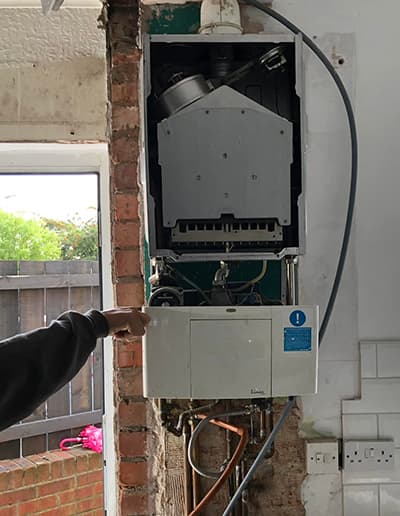
Recognising the signs your boiler needs repairing
Your boiler is central to home comfort. When it starts to underperform or make unusual noises, those are not just annoyances — they are early warnings that your boiler needs repairing. Spotting these signs early helps you avoid a sudden breakdown, reduce safety risks and keep running costs under control. This guide explains the common symptoms, what they mean and the practical steps you should take next.
Common signs your boiler needs repairing
1. Strange noises coming from the boiler
Banging, whistling, gurgling or kettling noises are common indicators of a problem. These sounds can be caused by trapped air, limescale build-up on the heat exchanger, or a malfunctioning pump. While some noises might be minor, persistent or worsening sounds usually warrant a professional inspection to prevent component damage.
2. Visible leaks or drips
Any water around the boiler—however small—should not be ignored. Leaks can come from corrosion, faulty seals, or damaged pipework and can quickly cause water damage or reduce the efficiency of the heating system. If you see moisture, isolate the supply where safe to do so and arrange for a qualified engineer to investigate.
3. Low boiler pressure
If the pressure gauge reads lower than the manufacturer’s recommended level, your boiler may not heat properly. Low pressure can result from a leak in the system or a failed component such as the pressure relief valve. Regularly check the pressure gauge and, if it keeps dropping, get a professional to diagnose and repair the cause.
4. Change in pilot light colour
A healthy pilot light is normally blue. If it turns yellow or orange, this can indicate incomplete combustion and the potential presence of carbon monoxide, a colourless, odourless and potentially lethal gas. If you notice this change, turn the boiler off, ventilate the area and contact a Gas Safe registered engineer immediately. If you suspect carbon monoxide exposure, leave the property and seek emergency advice.
5. Sudden increase in energy bills
Unexplained spikes in your energy costs can be a symptom that the boiler is no longer operating efficiently. Faulty components, poor combustion or scale build-up reduce efficiency and increase fuel use. An engineer can identify the cause and advise whether a repair or maintenance will restore performance.
6. Uneven heating or cold radiators
If some rooms are consistently colder than others or certain radiators don’t warm up, it may indicate air in the system, a failing pump, or blocked pipework. Bleeding radiators and a professional system flush can resolve some issues, but a recurring problem should be assessed by a qualified heating engineer.
Immediate steps to take if you suspect a problem
- Turn the boiler off if it’s behaving unusually or you smell gas or suspect carbon monoxide.
- Ventilate the area by opening windows and doors if you notice odd smells or a discoloured pilot light.
- Check the pressure gauge and the manufacturer’s handbook for the correct reading before attempting to repressurise.
- Avoid DIY repairs on gas appliances. Always use a Gas Safe registered engineer to diagnose and repair boilers.
- Contact a professional promptly — persistent faults rarely fix themselves and delays can increase cost and risk.
Why early repairs matter
Tackling issues quickly reduces the chance of a breakdown in cold weather, limits the risk of water damage from leaks and maintains heating efficiency. Early intervention can extend the working life of your boiler and protect other parts of the heating system, such as radiators and pumps. It also helps safeguard household safety, especially where combustion issues may produce carbon monoxide.
Preventative care to reduce the need for repairs
Regular servicing and sensible maintenance are the best ways to limit unexpected repairs. An annual service identifies wear and tear before it becomes a problem, keeps performance optimal and may help maintain manufacturer warranties. Consider a regular service plan for peace of mind and planned maintenance rather than reactive fixes. For details on planned maintenance, see our service plans and boiler servicing pages.
How we can help
Our Gas Safe registered engineers provide diagnostic checks, repairs and advice across Northumberland, Newcastle and surrounding areas. Whether it’s investigating strange noises, diagnosing pressure loss, or assessing pilot light issues, we recommend contacting a qualified professional rather than attempting repairs yourself. For emergency or routine assistance, visit our boiler repair page or get in touch via our contact form.
Next steps
If you’ve noticed any of the signs above, act now to protect your home and family. Safe, timely repairs reduce disruption and can prevent more costly problems later. Contact a Gas Safe registered engineer to arrange an inspection and a tailored quote — we’ll assess the issue and explain the best repair or maintenance options for your boiler and home heating system.


