
What Happens During a Boiler Service in Newcastle
By Robert Wilson
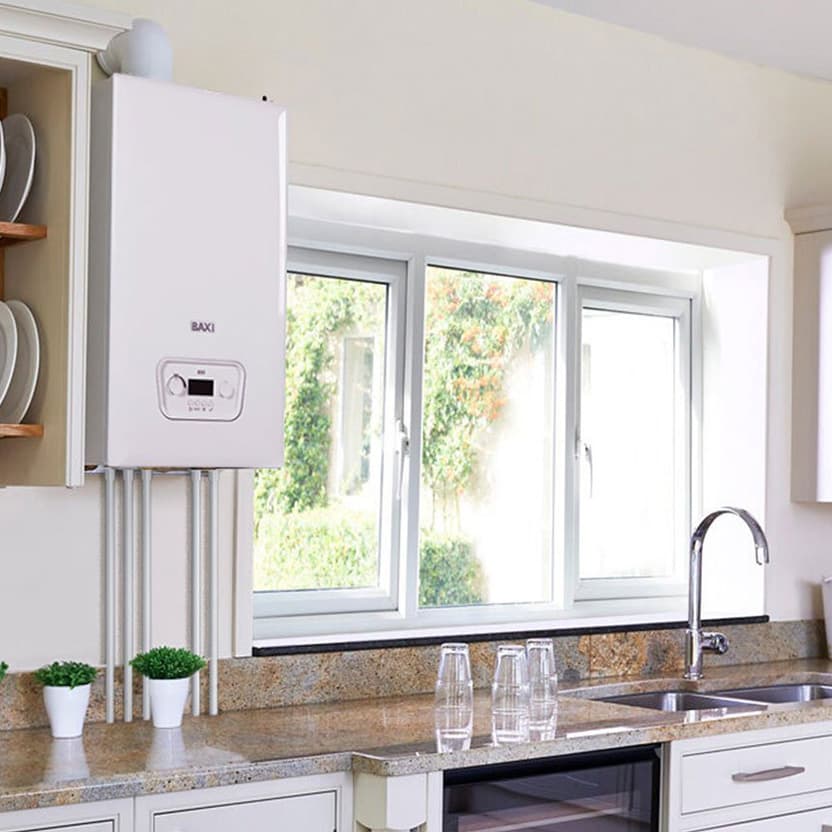
What happens during a boiler service?
Regular boiler servicing is the simplest way to keep your heating reliable, efficient and safe. If you’re wondering what happens during a boiler service, this guide outlines the checks, tests and maintenance a Gas Safe registered engineer will carry out so you know exactly what to expect.
Why regular servicing matters
A professional boiler service identifies wear and potential faults before they become breakdowns, helps maintain fuel efficiency and reduces the risk of dangerous carbon monoxide leaks. Keeping an annual service record can also protect warranties and demonstrate good maintenance for landlords and homebuyers.
Step‑by‑step: what happens during a boiler service
A typical service follows a structured sequence of visual checks, functional tests and cleaning. Engineers may vary their routine slightly depending on the boiler make and model, but the core elements are consistent.
1. Initial visual inspection
The engineer begins with a thorough visual inspection of the boiler and accessible components. This includes checking for signs of corrosion, water leaks, damaged pipework, degraded seals and correct positioning of flues and condensate pipes. The aim is to spot anything that might affect safe or efficient operation.
2. Isolation, safe access and documentation
Before any internal work the engineer isolates fuel and electrical supplies as required, ensures safe access and confirms boiler details such as model and serial number. They’ll record the appliance information and previous service history to compare current condition against earlier checks.
3. Combustion and burner checks
The burner and combustion chamber are inspected and tested. The engineer checks ignition, burner performance and flame quality, ensuring the boiler is burning fuel efficiently. Where appropriate, the burner components are cleaned and adjusted to restore correct combustion.
4. Flue gas analysis
A flue gas analyser is used to measure combustion gases, including carbon monoxide, to verify safe and efficient operation. This test confirms the flue is drawing correctly and that emissions are within acceptable limits — a critical safety check for all gas appliances.
5. Component testing and system checks
Key components are tested to ensure they work correctly. Common checks include:
- Thermostat calibration and controls
- Pressure relief valve operation
- Pump function and circulation
- System pressure and temperature readings
- Condensate trap and pipe condition (on condensing boilers)
These tests help identify failing parts that could cause poor heat delivery, leaks or system shutdowns.
6. Cleaning and routine maintenance
Engineers clean accessible parts such as the burner, heat exchanger surfaces and condensate trap to remove soot and debris that reduce efficiency. Moving parts may be lubricated and small components, like seals or filters, are replaced if worn. Any visible build‑up or blockages will be cleared to restore correct operation.
7. Leak and pressure inspection
The service includes careful checks for water leaks and a review of system pressure. The expansion vessel and any accessible valves are inspected so that pressure problems can be corrected before they cause service interruptions or pipe damage.
8. Final tests and verification
Once maintenance is complete the engineer restarts the boiler, observes it through a run cycle and repeats key checks such as pressure, temperature and flue gas readings. This confirms the appliance operates correctly under normal conditions.
9. Paperwork, advice and recommended follow‑up
At the end of the visit the engineer will complete a service record or certificate detailing the checks carried out, parts replaced and any recommendations. They should explain any findings in plain language and advise on next steps — for example, urgent repairs, monitoring a fault or recommended replacement parts. Keep the service record as evidence of maintenance.
Who should carry out a boiler service?
Always use a Gas Safe registered engineer for gas appliance servicing. A registered engineer has the qualifications to carry out combustion tests and safety checks properly. If you’re a landlord, servicing may form part of your legal responsibilities alongside formal gas safety checks; see our landlord gas safety check page for more details.
How long does a service take and how to prepare
Services vary by boiler type and condition but typically take under an hour for a standard domestic boiler. You can help the visit run smoothly by ensuring the engineer has clear access to the boiler and any relevant paperwork, such as the manufacturer’s manual or previous service records.
What if the engineer finds a problem?
If the service uncovers faults that need repair, the engineer will explain the necessary work and provide a recommendation. For non‑urgent items you can request a quote and schedule repairs. For faults affecting safety or causing hazardous emissions, the engineer will advise immediate action. For repair and installation work, see our boiler repair and boiler installation services.
Book a professional boiler service
Keeping your boiler serviced annually protects your home and helps avoid unexpected breakdowns. If you’re in Newcastle, Northumberland, Blyth, Cramlington, Ashington, North Shields or nearby, contact our Gas Safe registered team to arrange a service or to request a personalised quote. Call 07890 242485 or use our contact page to schedule an appointment. You can also learn about ongoing protection in our service plans.


