
Most Common Emergency Boiler Repairs — Causes & Quick Actions
By Robert Wilson
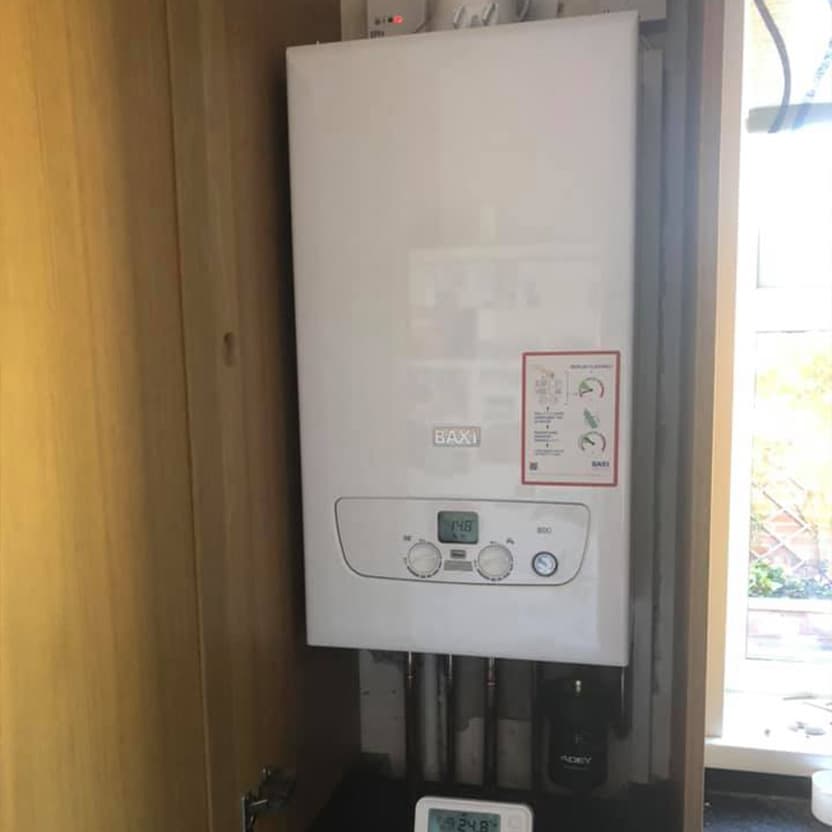
What are the most common emergency boiler repairs?
Boiler breakdowns are stressful and often happen at the worst times — in cold weather or outside normal working hours. Understanding what are the most common emergency boiler repairs helps you respond quickly, reduce further damage and know when to call a qualified engineer. This guide explains typical faults, likely causes and safe immediate actions for homeowners.
Typical emergency faults and what they mean
1. Low or constantly dropping boiler pressure
Low pressure is a frequent reason for emergency call-outs. If the boiler pressure falls below the manufacturer's recommended range the system may shut down automatically to prevent damage.
Common causes:
- Leaks in radiators, pipework or valves
- A faulty pressure relief valve
- A failing expansion vessel
What you can do: check the pressure gauge and, if safe to do so, follow your boiler manual to top up the system. This is a temporary measure — repeated pressure loss almost always signals a fault that requires professional diagnosis and repair.
When to call an engineer: if topping up doesn’t hold pressure, if you can see water escaping, or if the boiler repeatedly locks out.
2. Water leaks from the boiler or nearby pipework
Any visible leakage should be treated as urgent. Even small drips can lead to electrical damage inside the casing or cause the system pressure to fall.
Common causes include worn internal seals, corroded joints, cracked pipework or, in more serious cases, a damaged heat exchanger.
What you can do: isolate the system if a mains isolation valve is accessible and safe to operate, turn off the boiler and place a container under the leak to limit water spread. Avoid opening the boiler casing or attempting internal repairs.
When to call an engineer: always — leaks can escalate quickly and must be assessed by a Gas Safe registered engineer.
3. Boiler repeatedly switches off or goes into lockout
Modern boilers have safety lockouts that stop operation if an unsafe condition is detected. Repeated shut-downs are a sign something is wrong.
Typical causes include poor circulation, trapped air, a failing pump, thermostat faults or overheating from limescale and sludge build-up.
What you can do: try bleeding radiators to remove trapped air and check that circulation outlets (like thermostatic radiator valves) are open. If the boiler locks out again, do not attempt repeated resets — this can stress components.
When to call an engineer: after one or two controlled resets if the problem persists, or immediately if you smell burning or see warning indications.
4. Ignition problems or pilot light failure
Failures to ignite are a common emergency. Problems with ignition electrodes, flame sensors, gas supply interruptions or control electronics can prevent the burner lighting.
Because these faults involve gas and combustion, they are inherently hazardous.
What you can do: do not attempt DIY repairs on gas or ignition components. If you suspect a gas leak (smell of gas) leave the property immediately, avoid using electrical switches and call the emergency gas number and a Gas Safe engineer.
When to call an engineer: always for ignition faults — only a qualified Gas Safe registered engineer should assess and repair these issues.
5. Frozen condensate pipe in cold weather
Condensing boilers drain acidic condensate via a small pipe. In freezing temperatures this pipe can ice up and block the outlet, causing the boiler to shut down.
What you can do: thaw the exposed section of pipe with warm (not boiling) water or a warm cloth. Check that the pipe routing is insulated and positioned correctly to reduce recurrence.
When to call an engineer: if the pipe keeps freezing, if the condensate outlet is internal and inaccessible, or if thawing does not restore operation.
6. Unusual noises — banging, gurgling, whistling
Strange sounds often indicate internal issues. Kettling (banging) can occur from limescale build-up on the heat exchanger; gurgling can mean trapped air or sludge; whining might point to a failing pump.
What you can do: note when the noise occurs (startup, while heating, continuously) and avoid running the boiler if the noise is accompanied by reduced performance or warning lights.
When to call an engineer: promptly — noises usually worsen if left and can lead to component failure.
7. Burning smells, persistent warning lights or error codes
Any burning smell, unexplained odours or persistent fault codes on the display indicate the boiler is not operating safely.
What you can do: switch the boiler off at the programmer and isolating switch, ventilate the area and do not use the appliance until inspected.
When to call an engineer: immediately. Electrical or overheating faults require a professional inspection before the boiler is used again.
How to act during a boiler emergency
Prioritise safety: if you smell gas, evacuate and call the emergency gas helpline. For all other emergencies, switch the boiler off if it’s safe, gather information such as error codes and visible leaks, and contact a Gas Safe registered engineer. Avoid attempting internal repairs or using the boiler when warning signs are present.
When repair may not be cost-effective
Repeated or complex faults, an ageing boiler or damage to major components such as the heat exchanger can make repair less sensible than replacement. Our engineers will advise whether repair, replacement or a planned upgrade is the best long-term solution.
Need emergency boiler repairs in Northumberland and Newcastle?
Gas Wizard Heating Services is a family-run team with 20+ years’ experience, Gas Safe registered engineers and a strong local reputation (rated 5.0 on Google). We cover emergency boiler repairs, routine servicing and installations across Northumberland, Newcastle and surrounding areas. For urgent assistance call 07890 242485 or get in touch.
If you’d like to reduce the chance of future emergencies, explore our boiler servicing and boiler repair services, or ask about our service plans for ongoing protection.
Contact us now — swift, safe repairs from local Gas Safe engineers who specialise in getting homes warm again.


